Clinical workflow integration
Connect signature devices with HIS, EMR/EHR and pharmacy platforms, including established systems and older operating environments.

Healthcare case study

Background
The context
Hospitals and clinics face growing pressure to modernize patient documentation. Paper consent forms, prescription records and clinical notes consume space, create bottlenecks and carry the risk of loss, damage or misfiling.
Haveways hardware supports paperless documentation across hospitals, pharmacies, rehabilitation centers and public-health clinics, allowing professionals and patients to sign within the clinical workflow rather than on separate paper forms.
Challenges
What the workflow must solve
Connect signature devices with HIS, EMR/EHR and pharmacy platforms, including established systems and older operating environments.
Provide an intuitive signing experience for patients of different ages, abilities and physical conditions.
Protect sensitive health information and support the privacy and compliance requirements of each deployment region.
Capture high-resolution, pressure-sensitive handwriting suitable for legally significant clinical documents.
Withstand high-frequency shared use and routine cleaning procedures in clinical departments.
Associate every record with timestamp, device, network and biometric signature data for later review.
Solution
Haveways approach
Portable tablets support bedside and mobile nursing tasks, while desktop signature pads fit reception, pharmacy and billing counters.
The same signing layer can cover patient consent, prescriptions, care plans, insurance authorization and discharge summaries.
Passive EMR capture and an open SDK allow signatures to be rendered, stored and bound to documents inside the existing clinical system.
Software
Haveways SDK offers cross-platform libraries for Windows, Linux and Android. Healthcare software teams can embed real-time signing, biometric data extraction and document binding directly inside HIS and EMR/EHR workflows.
SDK & driversProduct overview
Recommended hardware
Two form factors cover the main healthcare scenarios: the YFB101-P portable Android tablet for bedside and mobile workflows, and the YF1012 compact 10.1-inch signature pad for fixed clinical counters.
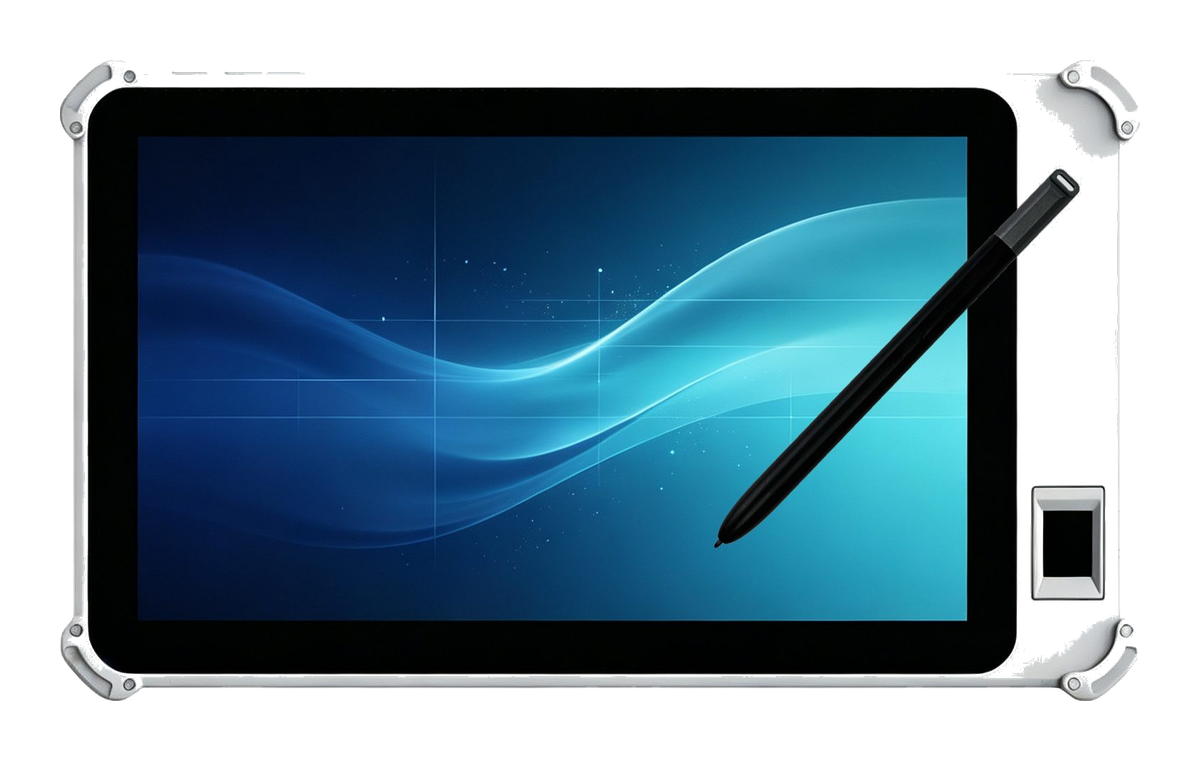
YFB 101-P
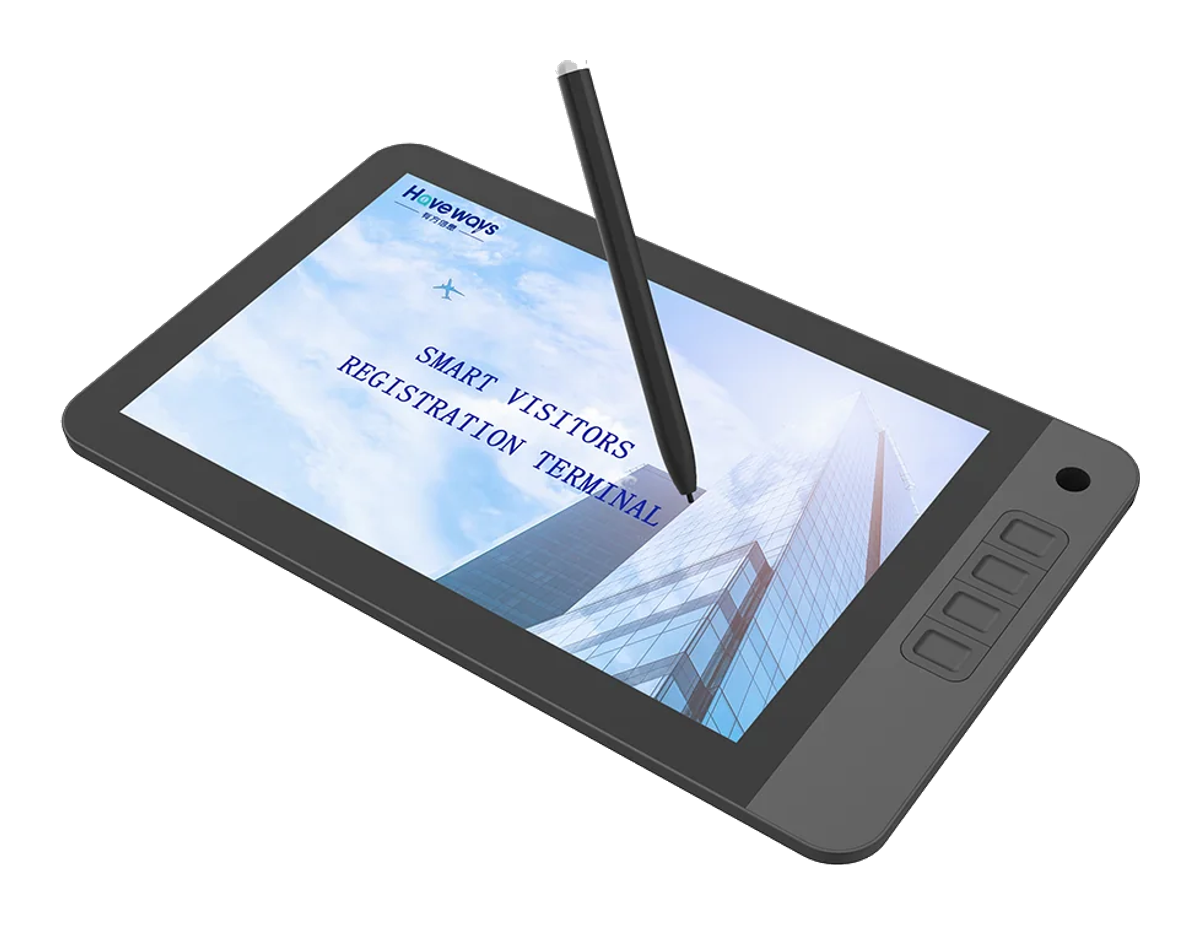
YF 1012
Applications
Where it works
Capture surgery, treatment, anesthesia and clinical-trial consent at the bedside or reception desk.
Let pharmacists and physicians sign electronic prescription and medication records directly in the system.
Sign progress notes, clinical notes and discharge summaries without printing the patient record.
Authorize insurance claims, billing disclosures and payment plans with a verifiable electronic signature.
Allow therapists and patients to co-sign session records, goals and progress assessments.
Support vaccination consent, screening forms and community-health reporting at clinics and mobile service points.
Benefits
Operational value
Reduce printing, physical storage and manual record retrieval across clinical departments.
Structured digital forms make missing fields easier to catch and remove handwriting-clarity issues.
Bind signatures, timestamps and audit data to the corresponding clinical document.
A guided on-screen signing process reduces repetitive printing, scanning and filing steps.
Connect to regional and enterprise healthcare systems without locking the customer into one operating platform.
Choose portable, compact or large-screen devices for different care environments.
Discuss your deployment